

Hong Kong Hotels Remain Resilient as Typhoon Noul Disrupts Travel

M-Radar News, Hong Kong – Typhoon Noul, the 12th typhoon of the year, slammed Hong Kong over the weekend, causing widespread travel disruptions. Over 350 flights were cancelled, attractions closed, and rail services suspended, including the High Speed Rail to China. Despite the chaos, hotels across the city remained operational, prioritizing guest safety and offering flexible arrangements.
Impact on Hong Kong Travel
The typhoon brought Hong Kong to a halt from July 26-27, 2026. The Airport Authority reported that operations returned to normal on Monday, expecting to handle 900 flights for the day. However, at least a dozen departures were delayed, and stranded passengers spent the night at the airport waiting for airlines to clear backlogs. The Hong Kong-Zhuhai-Macao Bridge partially resumed operations at noon Monday after a safety assessment.

Hotel Response and Guest Support
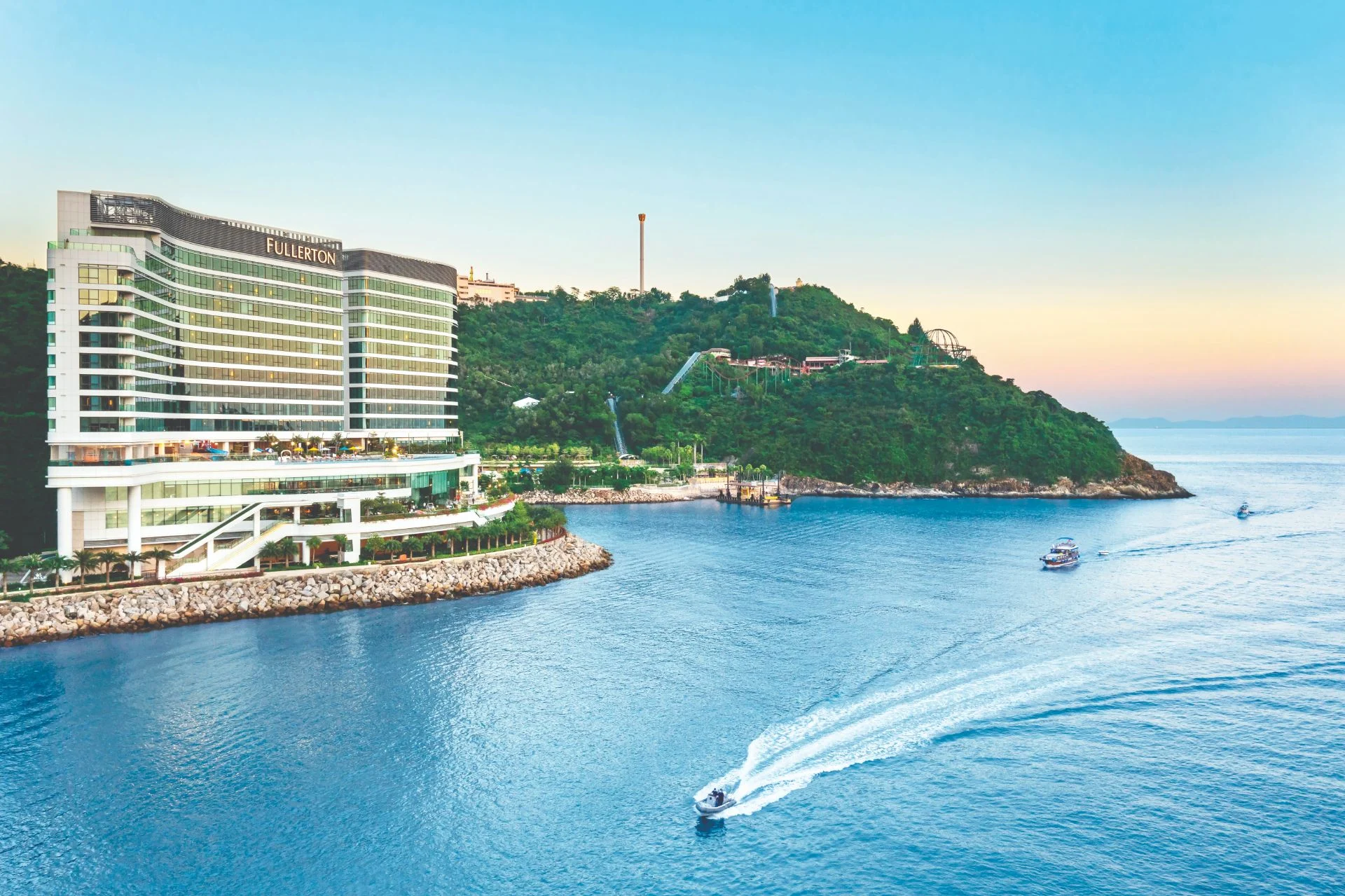
Hong Kong hotels demonstrated resilience and guest-centric policies. The Fullerton Ocean Park Hotel Hong Kong suffered shattered glass doors during a super typhoon last September, but this time remained intact. General Manager Christina Cheng stated the hotel adopted a flexible approach, assisting affected guests with reservation amendments and providing timely updates on transport and flight disruptions. Similarly, The Hari Hong Kong offered stay extensions and date changes, with its Guest Experience and Concierge teams providing personalized support. General Manager Edward E Snoeks emphasized that the team maintained close contact with guests to facilitate alternative arrangements.
Regal Hotels Group, operating two airport-connected hotels with over 2,300 rooms, leveraged long-standing airline partnerships to enable quick check-ins for stranded passengers. Chief Commercial Officer Balwin Yeung noted that efficient check-in was the best support for tired travelers.

Broader Impact and Recovery
Typhoon Noul made landfall in Guangdong early Sunday morning, becoming the strongest typhoon to hit areas east of the Pearl River Estuary in a decade. It caused extensive damage across southern China, with 15 cities suspending classes and business operations. About 900,000 residents were evacuated, and 338 reservoirs discharged 1.22 billion cubic meters of water to prevent flooding. In Hunan, the typhoon weakened to a tropical depression but continued to bring heavy rain, prompting the evacuation of over 44,300 people in Chenzhou alone. Guangdong’s expressways and rail services gradually resumed normal operations by Monday afternoon, with the emergency response downgraded to Level IV.
Hong Kong hotels have shown that even in the face of severe weather, guest care remains paramount. Their proactive communication and flexible policies helped mitigate the impact of travel disruptions, ensuring that affected travelers received necessary support during a challenging time.
Artikel ini ditinjau & dipublikasikan oleh Tim Editorial M-Radar News.